
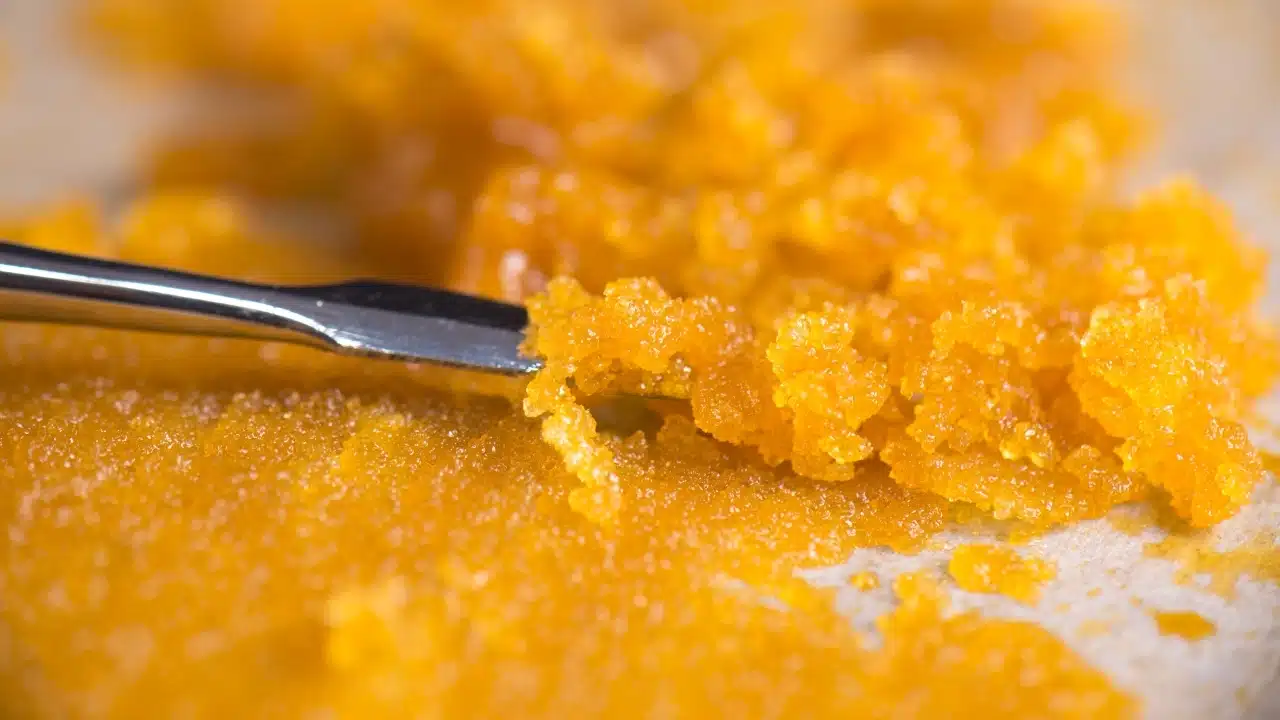
Evolution of the solventless extraction methods is making it possible for producers to offer more pure, flavorful, and safe cannabis extracts. Whether you are a consumer, processor, or researcher, understanding the difference between chemical-based and mechanical extraction approaches empowers you to make informed choices.
The solventless cannabis extraction methods explained in this guide cover everything from basic principles to advanced techniques.
What Is Solventless Cannabis Extraction?
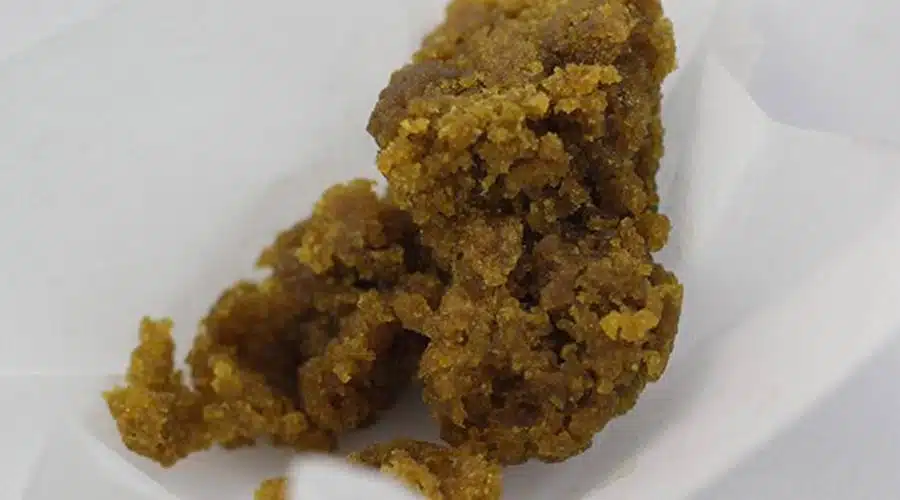
Solventless extraction refers to cannabis extraction methods that isolate cannabinoids and terpenes without the use of chemical solvents, utilizing the principles of mechanical force, temperature manipulation, pressure, ice, and water. These extraction methods rely on the physical separation of trichome glands from cannabis plant material. At their core, these techniques have existed for centuries; however, modern equipment and scientific understanding have refined and optimized these methods.
So, what are solventless concentrates?
They are pure cannabis extracts without preserving the full-spectrum terpene and strain characteristics of cannabis plants. With the use of solventless cannabis extraction methods, the necessary compounds are extracted without any concerns about residual solvents. The process preserves volatile terpenes, offering a more aromatic and flavorful experience that appeals to health-conscious consumers and connoisseurs.
Why Choose Solventless Cannabis Extraction Methods?

The popularity of solventless cannabis extraction methods is not only because of their ability to produce premium extracts, but also their simplicity and minimal compliance requirements.
Despite their technical challenges and lower yields, these cannabis extraction methods are preferred as they eliminate all concerns about residual solvent contamination. Additionally, these methods preserve delicate terpene profiles, delivering superior flavor and aromatic complexity. This allows producers to offer premium concentrates at a higher price. For commercial operations, solventless cannabis extraction methods become crucial to align with consumer demand for natural, organic products. Finally, regulatory compliance for such cannabis extraction methods is simpler, as they avoid extensive residual solvent testing, fire safety infrastructure, and hazardous material handling requirements.
Solventless vs. Solvent-Based Cannabis Extraction
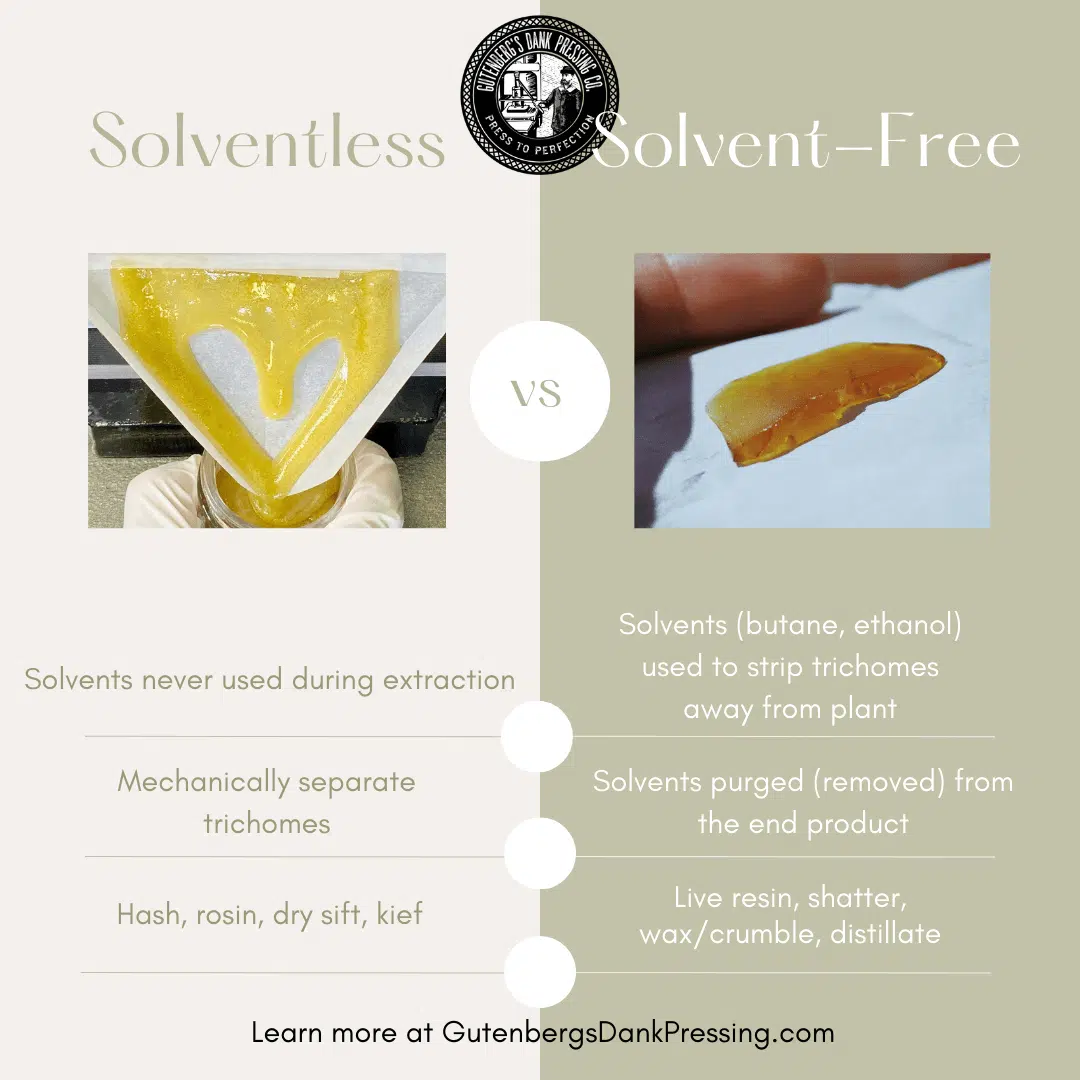
The fundamental distinction between solventless and solvent-based cannabis extraction methods is how they separate cannabinoids from plant material.
To better understand the mechanical separation versus chemical dissolution, read BHO Vs Solventless Extraction: Which is right for your lab?
Solventless cannabis extraction methods have lower yields than solvent-based methods. Techniques like CO2 extraction achieve higher yields (20-30%) and greater consistency, ideal for volume production.
While solventless extraction requires more cannabis source material, skilled labor, and processing time, the zero residual solvents, full-spectrum flavors, and premium price offset these limitations.
Common Solventless Cannabis Extraction Methods
Let’s explore some of the most widely used solventless extraction techniques:
- Rosin Press Extraction
Rosin press extraction is one of the simplest solventless extraction methods, using heat and pressure to produce high-quality concentrates.How it works:- Cannabis flower, hash, or kief is placed between heated plates (typically 160-220°F)
- Extreme pressure (600-2000+ PSI) is applied, causing resinous compounds to flow out
- The solventless live rosin is collected on parchment paper
- Heat and pressure break down cell walls, liquefying cannabinoids and terpenes
Key benefits:
- Lower equipment cost, with entry-level presses available under $500
- Fast processing time, producing clean and potent concentrates within minutes
- Rosin pressed from ice water hash made with fresh-frozen material commands premium prices due to exceptional terpene preservation and purity
Limitations:
- Typically low yields of about 15-25% from flower
- Results are highly dependent on starting material quality
- Produces varying consistencies depending on temperature and pressure
- Ice Water Hash (Bubble Hash) Extraction
Ice water hash extraction is a more advanced solventless extraction method that uses cold water and mechanical agitation to separate trichomes from plant material.
How it works:- Cannabis plant material is submerged in ice-cold water, making trichomes brittle
- Mechanical agitation for 15-20 minutes breaks trichome heads intact
- The mixture is filtered through stacked mesh filter bags with progressive micron sizes
- Each bag captures a different grade of trichomes while minimizing plant contamination
Key benefits:
- Produces premium full-melt concentrates
- Potency can reach 70-95% cannabinoids
- Preserves terpenes while effectively removing plant contaminants
Limitations:
- Lower and inconsistent yields
- Increased risk of mold due to water use
- Time-consuming and labor-intensive process
Factors That Affect Solventless Extraction Quality
Several critical variables decide the yield across all solventless extraction methods:
Starting material quality: Since no chemical refinement is involved, the process produces the compounds that exist in the source plants.
Temperature control: Precise thermal control is essential, as it significantly impacts terpene preservation and the final product’s characteristics.
Timing and technique: These significantly impact yield and purity across solventless extraction methods, as proper agitation duration and processing speed influence consistency and efficiency.